

Waxing remains one of the most effective ways to achieve smooth, long-lasting results, but it also has the potential to leave skin irritated if the process isn’t approached carefully. While the type of wax certainly matters, preparation, technique, and aftercare have just as much influence on the final outcome. Small mistakes can lead to unnecessary discomfort, uneven hair removal, or increased skin sensitivity.
Many people focus on buying a better wax while overlooking the habits that determine whether a waxing session is successful. Healthy skin creates a better surface for waxing, and proper aftercare allows it to recover more comfortably afterward. Understanding the complete process helps reduce common problems while making each session more effective.
Prepare Your Skin Before Every Waxing Session
Successful waxing starts before the wax is ever heated. Skin should be clean and free from heavy lotions or oils that can prevent the wax from gripping the hair properly. Gently exfoliating one or two days beforehand removes dead skin cells that may trap shorter hairs and helps create a smoother surface.
Keeping the skin hydrated throughout the week also supports its natural barrier, although moisturizers should be avoided immediately before waxing itself.
Professional estheticians often recommend treating waxing appointments as part of a broader self-care routine rather than a standalone beauty task. Once the appointment is over, allowing both the skin and the body to relax can make the overall experience more comfortable. That focus on winding down is one reason brands like https://snoozy.com/ have found a place in many evening wellness routines, offering hemp-derived gummies formulated for relaxation, sleep support, and other wellness goals. The company states that its products are third-party tested for quality.
Preparing both your skin and your recovery routine helps create a better overall waxing experience.
Master the Basics of Proper Waxing Technique
Even premium waxing products cannot compensate for poor technique. Hair should be long enough for the wax to grip effectively, and the wax itself needs to be applied at the correct temperature and thickness according to the manufacturer’s instructions.
Keeping the skin taut while removing the wax allows hairs to release more cleanly and helps reduce unnecessary pulling on the surrounding skin. Working in smaller sections instead of trying to wax large areas at once also improves control and usually produces cleaner results.
Patience often delivers better outcomes than rushing through the process.
Learn Why Hard Wax Sometimes Misses Hair
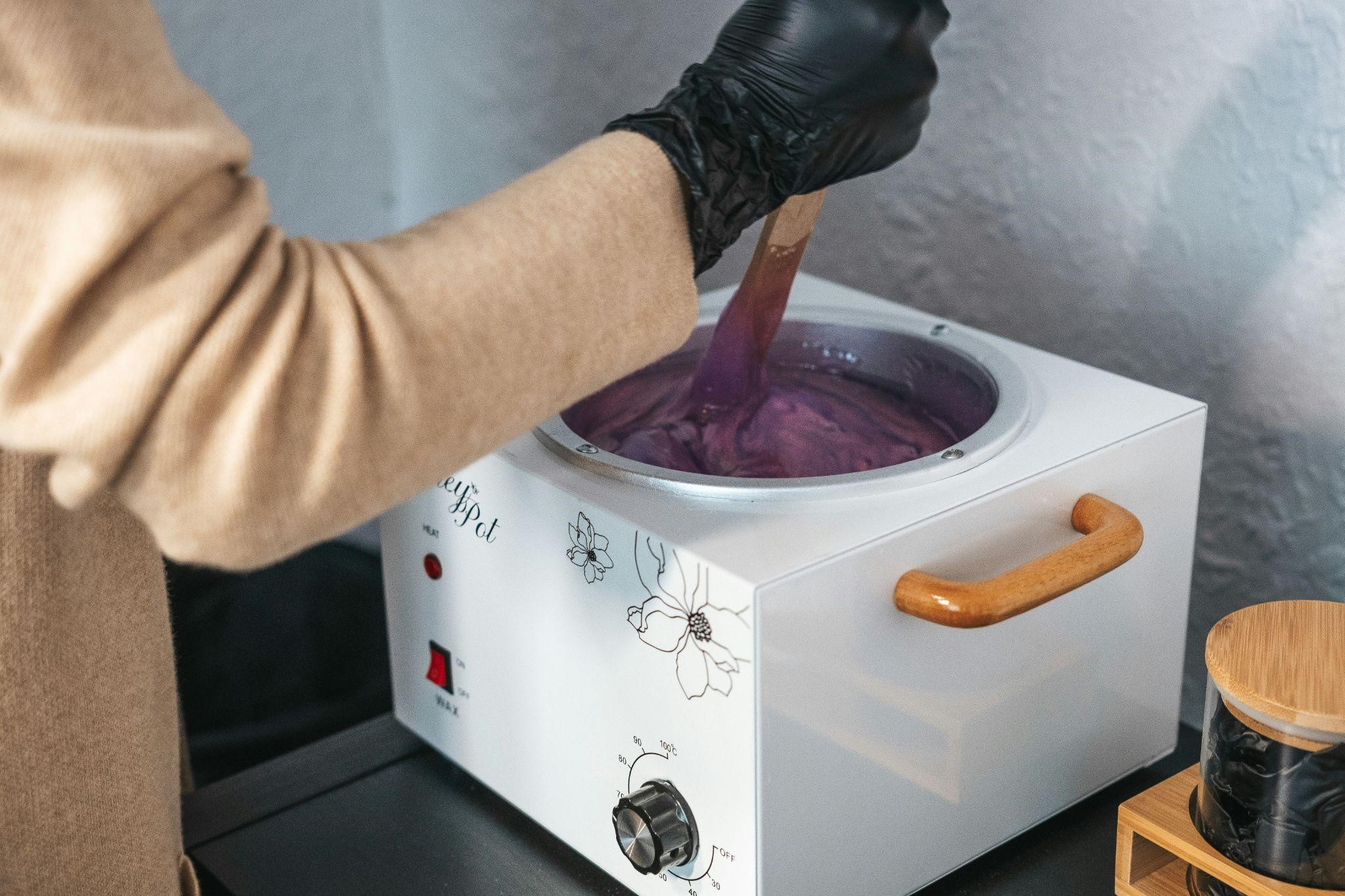
When wax removes only part of the hair, many people immediately assume they’ve purchased the wrong product. In reality, experienced estheticians know that successful waxing depends on several factors working together.
Hair length, skin preparation, wax consistency, application thickness, and removal speed all influence whether the hair releases cleanly from the follicle. Beauty educators frequently encourage people to troubleshoot techniques before replacing their products. PlaPro provides a detailed breakdown of why is my hard wax not removing hair, explaining how issues such as applying wax too thickly, working with hair that’s too short, or removing the wax incorrectly can all reduce effectiveness.
Looking at the entire waxing process instead of focusing on one variable often leads to noticeable improvements during future sessions.
Protect Freshly Waxed Skin During Recovery
The hours immediately after waxing are just as important as the treatment itself. Freshly waxed skin is more vulnerable to heat, friction, and irritation because the hair follicles have temporarily opened.
Avoiding hot showers, steam rooms, swimming pools, and strenuous exercise for the first day can help minimize redness. Tight clothing should also be avoided whenever possible, particularly after body waxing, since constant friction may increase discomfort.
Applying a gentle moisturizer designed for sensitive skin helps restore hydration without overwhelming freshly treated areas. It’s equally important to avoid aggressively exfoliating immediately after waxing, allowing the skin time to recover naturally before resuming a regular skincare routine.
Build Better Habits Instead of Looking for Quick Fixes
Long-term waxing results depend more on consistency than perfection. Regular appointments encourage hair to grow in a more predictable cycle, making future sessions easier to manage while often reducing discomfort over time.
Between appointments, maintaining healthy skin through regular moisturization and gentle weekly exfoliation helps prepare the next waxing session. Avoiding shaving between waxes also allows hair to grow evenly, giving the wax a better opportunity to remove it cleanly from the root.
People who consistently achieve smooth waxing results usually aren’t relying on one miracle product. Instead, they combine thoughtful preparation, careful technique, realistic expectations, and proper aftercare into a routine they can maintain over time. When skin is treated with the same level of care before and after waxing as it receives during the treatment itself, smoother results become far easier to achieve while minimizing unnecessary irritation or damage.


